101,900+ people Living below the relative poverty line.
8.4% Of the population considered in poverty.
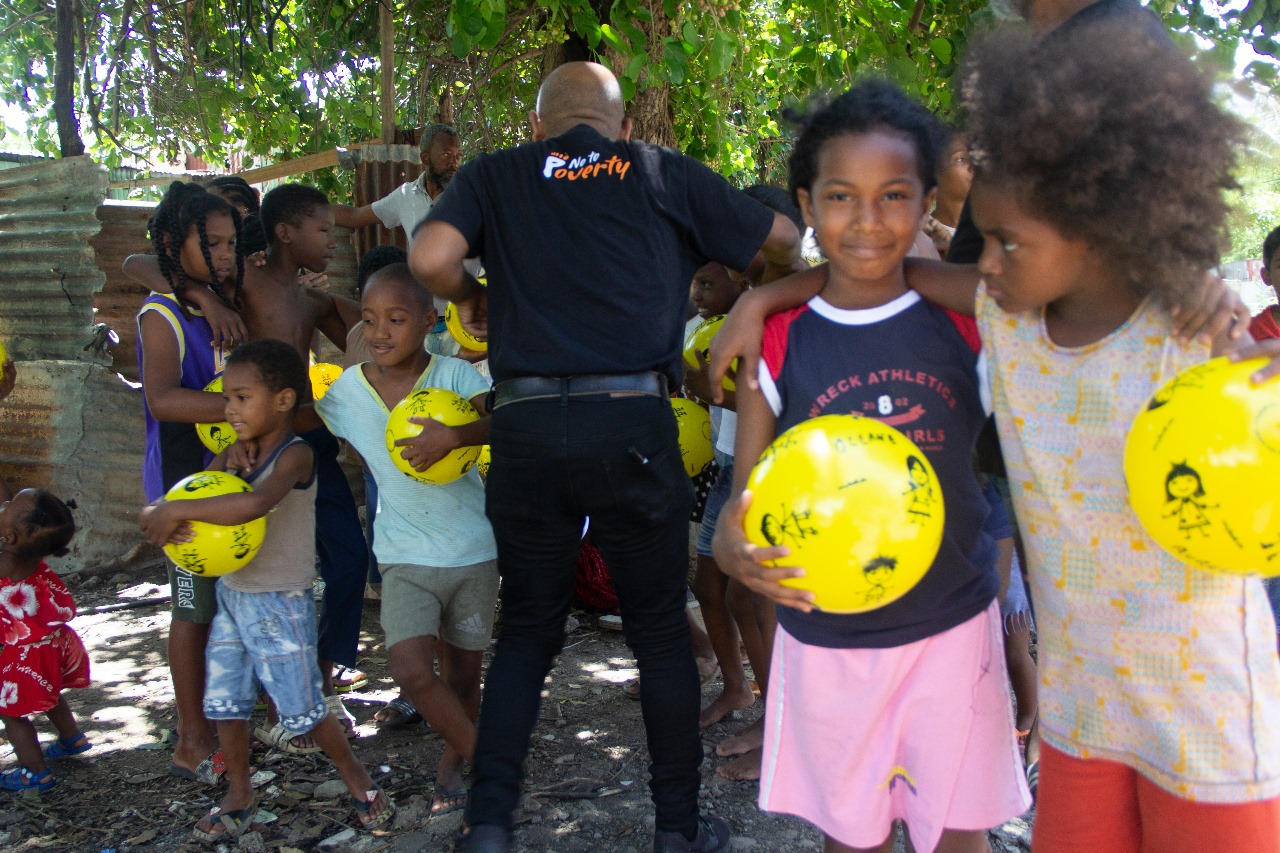
Children under 16 Face the highest risk of poverty.
Significant gaps In education, nutrition, and livelihoods.
CONTEXT & REALITY
Poverty in Mauritius is more than a lack of income — it affects:
Education,
Nutrition,
Healthcare, and
Opportunities.
Children, women, and low-income households remain the most vulnerable despite national progress.
WHAT IS RELATIVE POVERTY
Relative poverty refers to households or individuals earning less than half the median income, limiting their ability to participate fully in society.
Limited access to quality education
Challenges in adequate housing and nutrition
Barriers to stable employment and healthcare
While official data shows gradual improvement, these vulnerable groups continue to need targeted support
WHY IT MATTERS
Even with Mauritius’s social protection programs, poverty persists in pockets of society, with real consequences:
Children from low-income families struggle academically
Women and youth face barriers to employment and independence
Rising living costs strain vulnerable households
Supporting these communities ensures growth is inclusive and equitable.
HOW NO TO POVERTY HELPS
At No To Poverty, we address poverty holistically through:
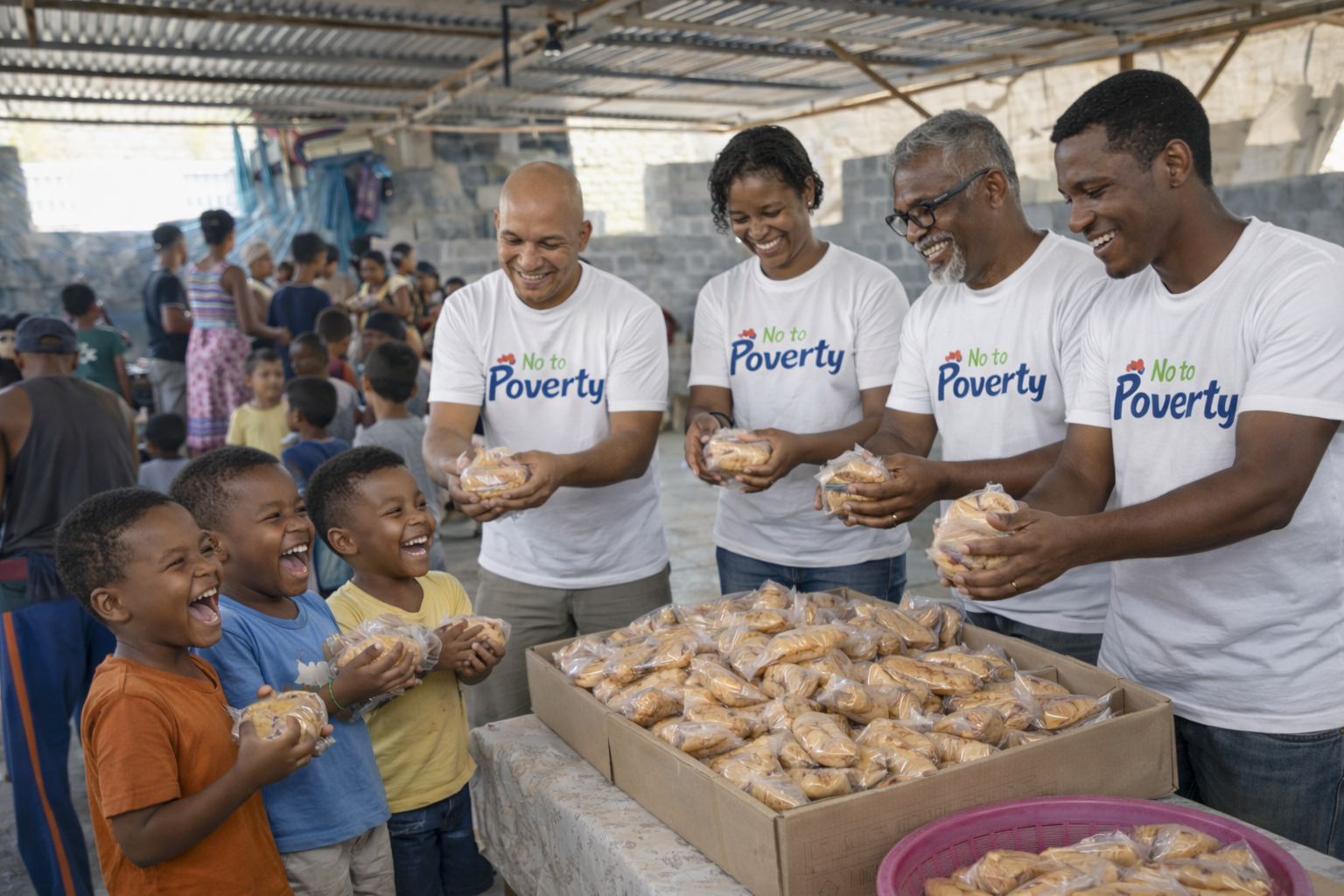
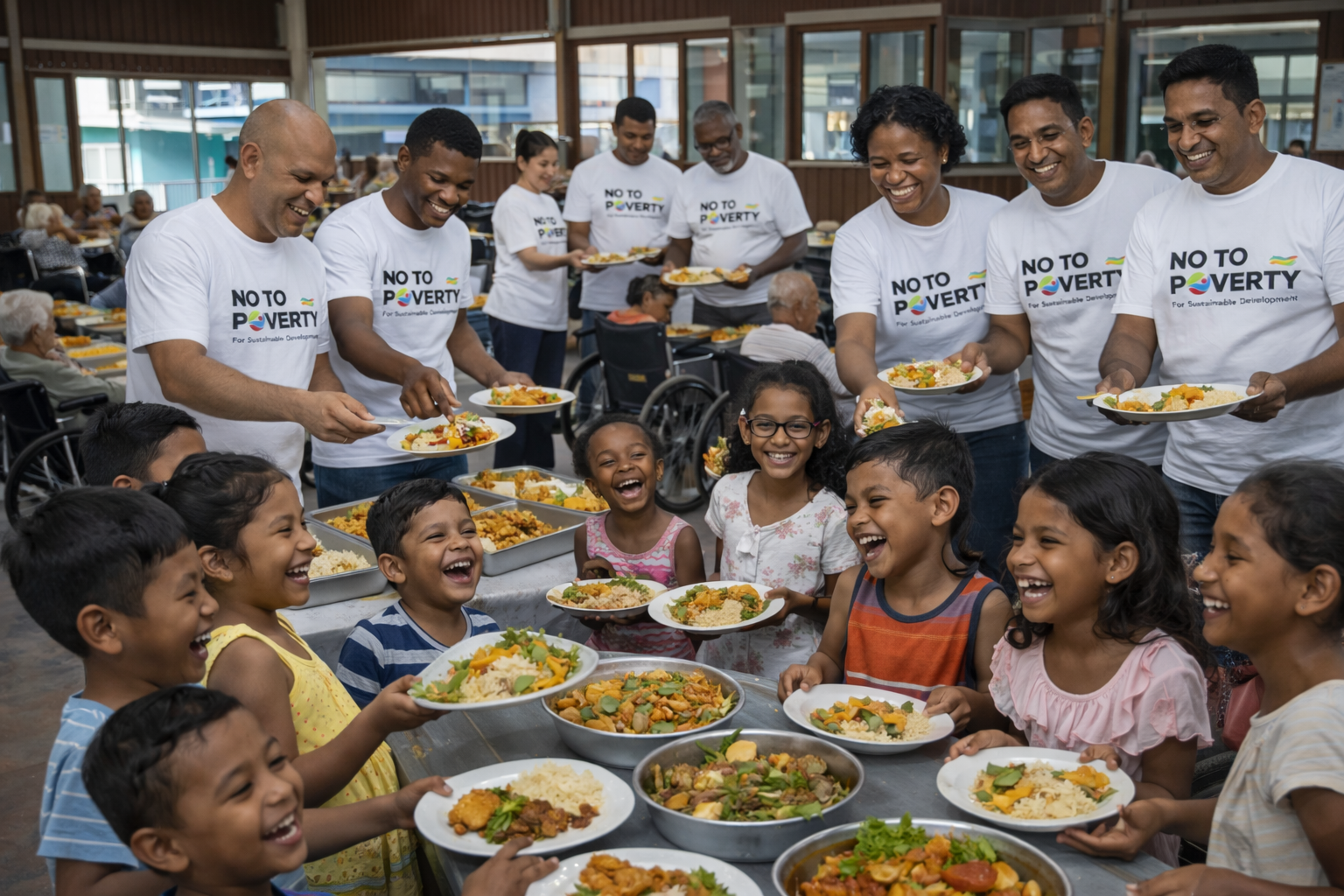
Food Security
Daily community meals and nutrition programs.
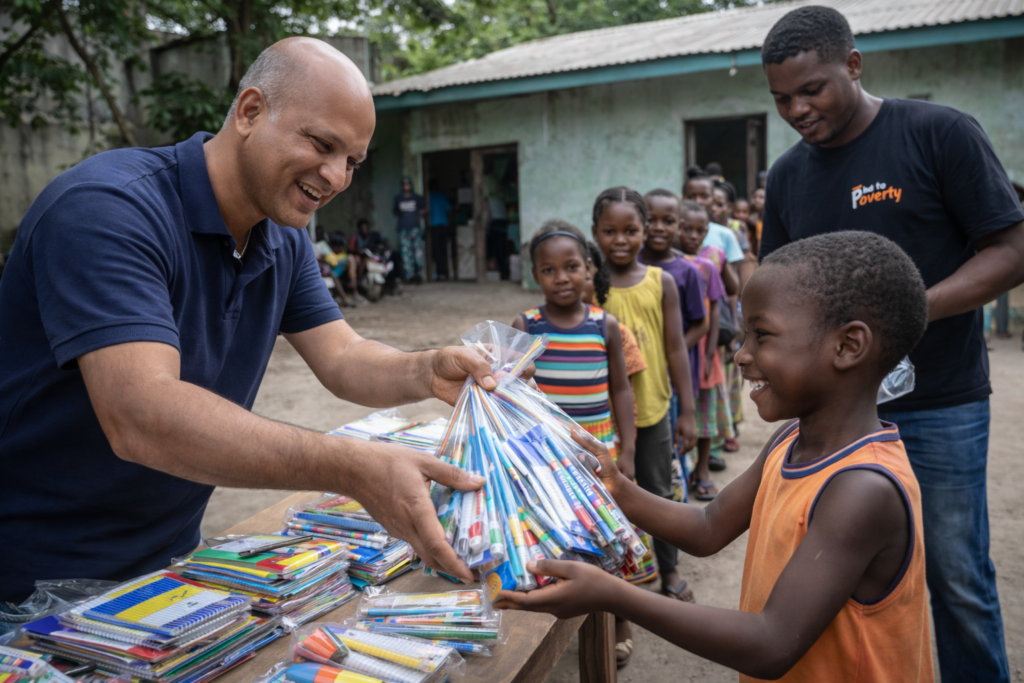
Education
After-school tutoring, digital literacy, and scholarships.
Re-Empowerment
Skills training, micro-entrepreneurship, and women’s programs.
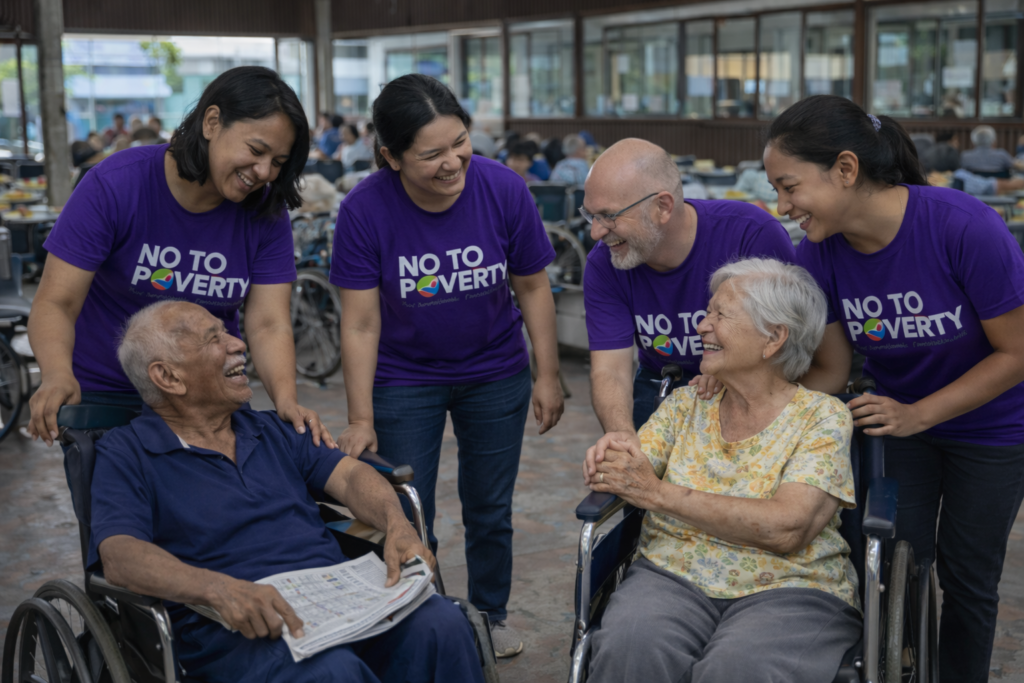
Care Services
Support for elderly and persons with disabilities.
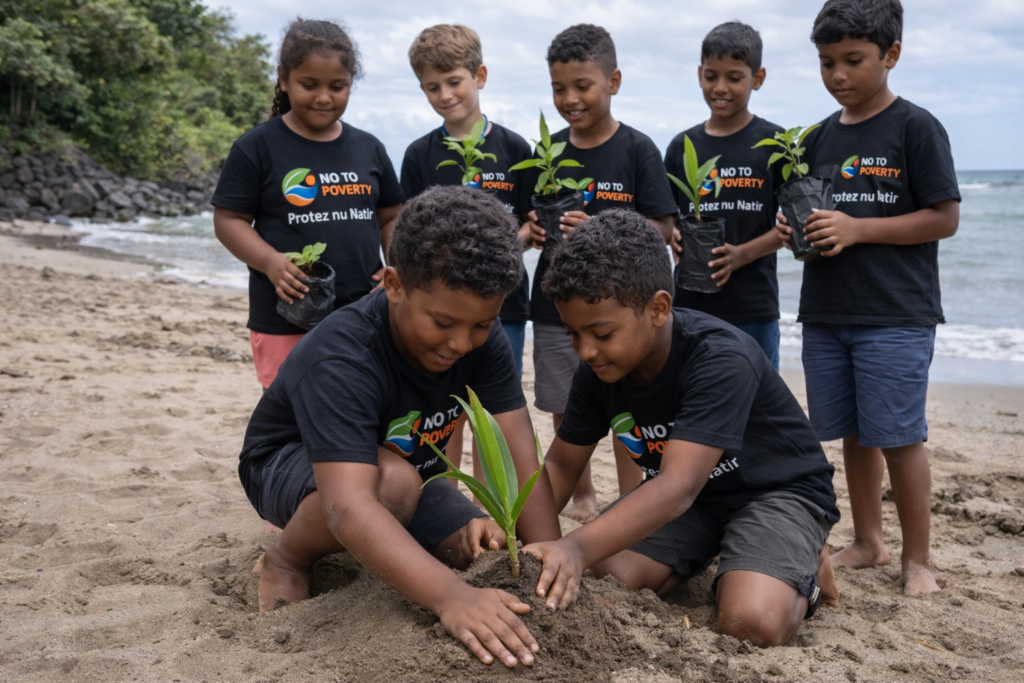
Environment
Initiatives that create sustainable, resilient communities.
Your action helps
break the cycle of poverty and empower vulnerable communities, whether volunteering, donating, or sharing our mission
VOLUNTEERS
Choose a role that matches your skills and make a real difference! as an NTP Angel, you will empower women, youth, and vulnerable adults while creating lasting change.
As a non-profit organisation, we rely on the support of donors and sponsors to achieve our mission. Donate today if you or your organisation can support No To Poverty’s work.
Partner with us to build apprenticeship pathways that reduce unemployment and empower women, youth, and vulnerable adults to achieve sustainable livelihoods.